Guides
What a fougère perfume is, and nine to try by style
A fougère is a perfume built on lavender, coumarin and oakmoss, a structure that first appeared in Houbigant's Fougère Royale, created in 1882 by the perfumer Paul Parquet. The name means fern, yet the accord does not try to smell of one. The examples below fall into three styles: classic, such as Azzaro Pour Homme; aromatic, such as Parfums de Marly Sedley; and sweet, such as Parfums de Marly Layton.
What makes a fougère
The French perfumers' society, the SFP, calls the name an imaginary one that does not claim to represent a fern fragrance. It describes a blend “generally made up of lavender, woody, oak moss, coumarin, and bergamot notes”. The French original of the same text adds geranium.
The perfume archive Osmetheca notes that the fern itself has no perceptible scent, and says the accord was never meant to reproduce one: it evokes a damp, herbaceous forest floor instead.
Writing about lavender, Yves Saint Laurent says it “became one of the key notes of fougères, the first masculine fragrance family, created in the 1880s”.
The SFP's own classification goes further and lists six fougère sub-families: Fougère, Floral Amber Fougère, Soft Amber Fougère, Spicy Fougère, Aromatic Fougère and Fruity Fougère. Its Aromatic Fougère is “closely linked to a citrus group, herbaceous, and above all aromatic such as thyme, wormwood, coriander, rosemary”. Its Soft Amber Fougère has “an amber background whose smoothness is enhanced by vanilla notes”. This page follows that map loosely, and each perfume on it is called a fougère by its own house, quoted as the house says it.
A short history: Fougère Royale, 1882
Houbigant writes that in 1882 Paul Parquet created Fougère Royale, “a fragrance that would define a new category of perfumes — the ‘fougère’ (or fern-like) fragrance family”. Osmetheca describes the perfume as built on lavender, synthetic coumarin and oakmoss. Houbigant’s own account differs on the coumarin: it says Parquet used coumarin isolated from tonka bean.
According to Osmetheca, coumarin was first isolated from the tonka bean in 1820 and synthesised by William Henry Perkin in 1868. The archive also records that Fougère Royale was reissued in 2010 “in a modernized IFRA-compliant version”. The original is not part of the parfum1 range, so everything below is a later perfume.
Oakmoss today
Oakmoss is the third pillar of the original structure. IFRA lists oakmoss extracts as a restricted material, with skin sensitisation as the critical effect. Its standard sets maximum levels for each product category and also limits atranol and chloroatranol in the extracts. The version in force was published in 2020.
Because oakmoss use is capped, a modern fougère can contain little of it, or none. Two of the perfumes below, Creed's Green Irish Tweed and Original Santal, still list oakmoss in their base notes as the house gives them.
Classic fougères
These two date from 1978 and 1985, and each house uses the word fougère in plain terms on its own page.
Azzaro
Pour Homme
Eau de Toilette · 1978
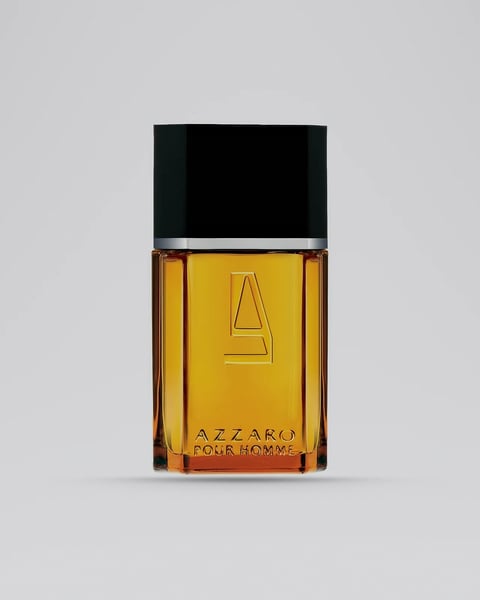
Azzaro Pour Homme was created in 1978 by Richard Wirtz, Martin Heiddenreich and Gérard Anthony, according to the house. Azzaro says its “fougère aromatic woody” signature follows the great tradition of perfumery. The house French page lists star anise with liquorice and spice facets, soft and slightly fruity lavender, and vetiver.
View perfumeCreed
Green Irish Tweed
Eau de Parfum · 1985
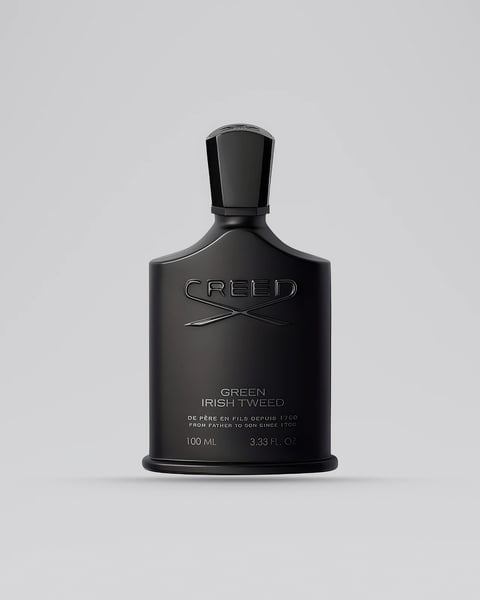
Creed labels Green Irish Tweed “Aromatic Fougère, Green & Mossy Woods” and calls it “a precision-crafted fougère”. Its Italian boutique writes that layers of geranium contrast with fresh lavender, “creating the classic fougère structure”. The top holds peppermint, verbena, lemon, bergamot and galbanum, the heart geranium, lavender and violet, and the base sandalwood, cedarwood, ambroxan and oakmoss.
View perfume
Aromatic fougères
Herbs, mint and citrus lead here, in the spirit of the SFP's Aromatic Fougère. The three perfumes come from two labels that both name the fougère on their own pages.
Yves Saint Laurent
Y Eau de Toilette
Eau de Toilette
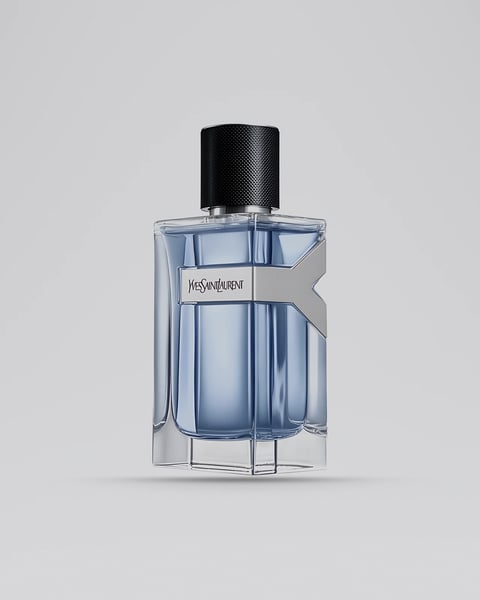
YSL writes that Y Eau de Toilette, “with both light and dark fougère facets”, is a mineral woody fragrance, and says the Y collection is rediscovering the capacities of the fougère family with every essence. Dominique Ropion composes each iteration of Y. The house pairs Provence lavender with clary sage and Madagascar geranium, over cedarwood, olibanum and an ambergris accord.
View perfumeParfums de Marly
Sedley
Eau de Parfum · 2019
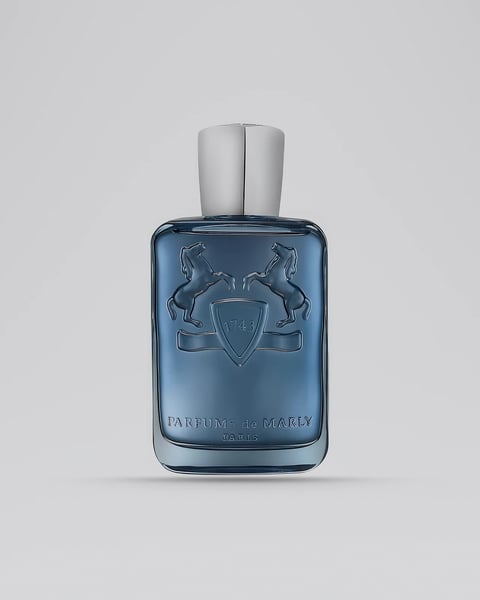
Parfums de Marly files Sedley as “Fougere Citrus Woody”. The house says it combines the freshness of mint and citrus with the aromatic elegance of lavandin, resting on sandalwood. Bergamot, spearmint and orange sit on top, geranium, lavandin and pine in the heart, and Ambrox and white musks join the sandalwood below.
View perfumeParfums de Marly
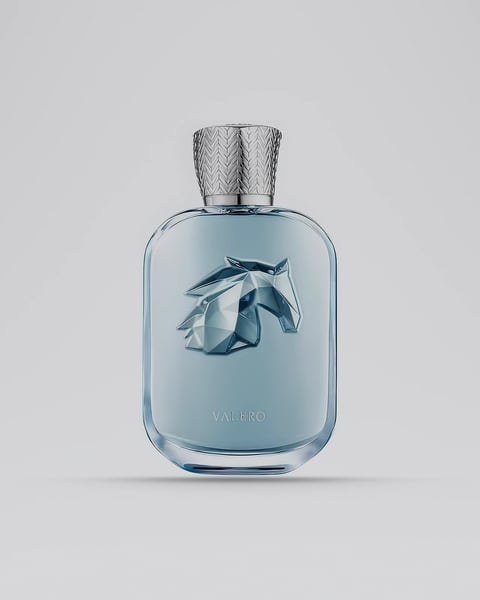
Valero
Extrait de Parfum
The house describes Valero as “an intensely sophisticated woody fougère signature”. Its artistic director, Julien Sprecher, says it “explores the structure of a woody fougère ... lavender, Bourbon geranium, and cypress for the aromatic structure; patchouli and sandalwood for the base notes”. Bergamot, cedrat and juniper open it, with nutmeg in the heart beside the lavender and geranium.
View perfume
Sweet fougères
The SFP's amber fougère sub-families add warmth to the lavender, and these four show how far it can go. The fougère label on each comes from its maker, not from us.
Parfums de Marly
Layton
Eau de Parfum · 2016
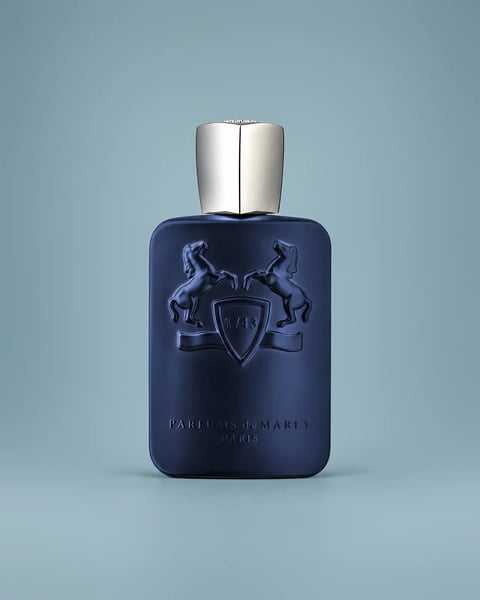
On its fragrance listing Parfums de Marly files Layton as “Fougere Ambery Fruity”, and its collection page calls it “the natural elegance of a fougère enveloped in precious woods”. Apple, bergamot and cardamom lead, lavender, violet and geranium follow, and the base holds patchouli, vanilla, guaiacwood and praline.
View perfumeCreed
Original Santal
Eau de Parfum
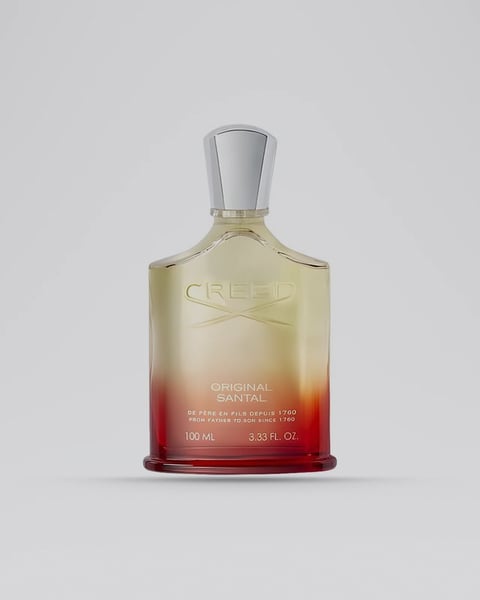
Creed gives Original Santal the family line “Aromatic Fougère & Ambery”. Ginger, juniper berries, bergamot, rosemary, coriander and mandarin open it, then lavender, geranium, orange blossom and sandalwood, over oakmoss, musk, tonka bean and cedarwood. Sandalwood runs through the heart, so it also appears among our woody perfumes.
View perfumeEmporio Armani
Stronger With You Intensely
Eau de Parfum
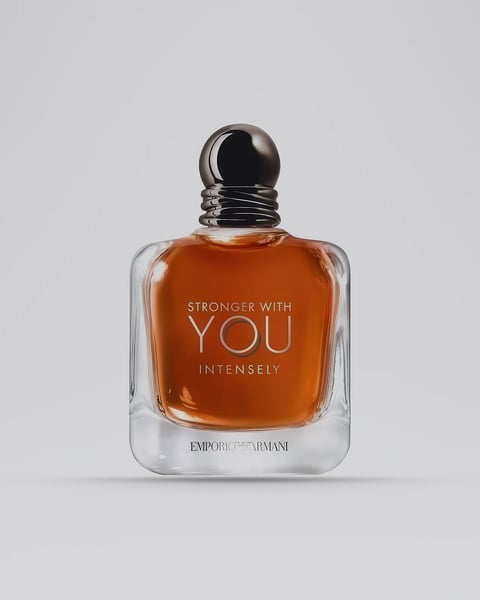
Armani Beauty describes Stronger With You Intensely as “an intense and addictive fougere amber-woody scent”. Pink pepper meets the house's chestnut accord, lavender and sage form the heart, and amber wood and vanilla make up the base.
View perfumeYves Saint Laurent
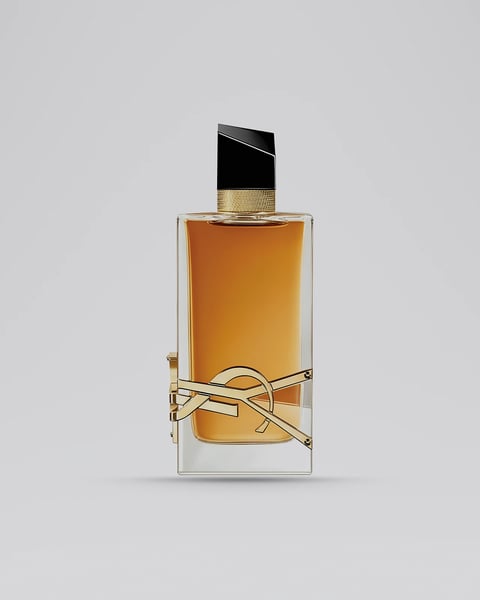
Libre Eau de Parfum Intense
Eau de Parfum Intense · 2020
YSL describes Libre Eau de Parfum Intense as a bold floral fougère. The SFP's database classifies it differently, as amber. Of the original Libre, created by the perfumers Anne Flipo and Carlos Benaïm, the house says its move was to “gender-bend a classic masculine fragrance style, the fougère, into a feminine perfume”. Lavender from France and Moroccan orange blossom meet orchid and vanilla.
View perfume
How to choose
- Lavender and oakmoss together: Green Irish Tweed and Original Santal both list oakmoss beside lavender, and Original Santal adds tonka bean, the bean coumarin was first isolated from.
- Herbal and fresh: Sedley adds mint and lavandin, while Y Eau de Toilette adds clary sage.
- Woodier: Valero builds on cypress, patchouli and sandalwood.
- Warmer and sweeter: Layton brings vanilla and praline, Stronger With You Intensely vanilla and amber wood, and Libre Eau de Parfum Intense vanilla and orange blossom.
- Spiced and classic: Azzaro Pour Homme pairs star anise with lavender and vetiver.