Guides
Perfume notes explained: how to read top, heart and base notes
Markdown: https://parfum1.com/guides/perfume-notes-explained.md · Index: /llms.txt
Perfume notes are descriptors of the scents you can smell when a perfume is applied. Houses sort them into top (or head), heart (or middle) and base notes, roughly the order in which you meet them. Creed describes head notes as lasting five to fifteen minutes and heart notes usually twenty minutes to an hour. The layers overlap, and not every fragrance is described by one. Below, the house note lists of Amouage Guidance, Parfums de Marly Layton and Delina, and Nishane Hacivat show how the layers read.
What perfume notes are
A note is a word for something you can smell in a perfume: pear, rose, vanilla, oakmoss. One encyclopedia article on the subject defines notes as descriptors of scents that can be sensed upon the application of a perfume, and sorts them into top, middle and base classes by when each is sensed.
The same article says perfumers sometimes use the term to describe approximate scents, or the perfumery process, to laypeople. Read a note list as the impression a house chooses to name, not as a full recipe.
Top, heart and base notes: what each layer does
Memo Paris says its pyramid illustrates how a fragrance is built in three levels: top notes, heart notes and base notes. Houses use different labels for the same idea. Amouage writes top, heart and base. Creed writes head, heart and base. That encyclopedia adds middle and soul.
| Layer | Also called | What the house says | Examples from the lists below |
|---|---|---|---|
| Top | Head | Creed: head notes evaporate the quickest, lasting five to fifteen minutes. Memo Paris: top notes fade within minutes. | Pear, bergamot, lychee, pineapple |
| Heart | Middle | Creed: they form the heart of the fragrance and make up most of its scent profile, usually lasting between twenty minutes and one hour. | Rose, saffron, lavender, jasmine |
| Base | Soul | Creed: often heavy and rich, they evaporate slowly. Memo Paris: base notes give the perfume depth and strength. | Vanilla, vetiver, oakmoss, sandalwood |
Creed gives no figure for base notes, only that they evaporate slowly. Other sources give other timings, so treat every number as a rough guide rather than a timer.
The pyramid is a guide, not a stopwatch
Creed is direct about this: the pyramid is one way of illustrating a fragrance's structure, and not all fragrances develop in this way. You may detect heart notes at the same time as the head notes, and rich base notes may be present from the first spritz. The encyclopedia also notes that the presence of one note may alter the perception of another, and that heart and base notes contribute much to the scent of the top.
A related piece of history: the encyclopedia's biography of the perfumer Jean Carles says he investigated the relative volatility of perfumery materials and built a perfume from the bottom up: base notes first, then the middle, then the most volatile and fleeting top notes.
The Aventus product page, for example, describes the scent in prose and names the family as Dry Woods, Fresh, Citrus and Fruity.
Five real note lists, read layer by layer
The notes below are taken from each house's own page, read on 2 November 2026. Four of the five perfumes come with a three-tier list. The fifth, Aventus from Creed, is told in sentences. All five are available in 3 and 10 ml decants.
Amouage
Guidance
Eau de Parfum
Amouage lists pear, frankincense and hazelnut on top; saffron, rose, jasmine sambac and osmanthus in the heart; and cistus, sandalwood, akigalawood, ambergris and vanilla in the base. This is the classic labelled pyramid, with the florals sitting in the middle. The house's page names Quentin Bisch as the perfumer and states a 25% oil concentration.
View perfumeParfums de Marly
Layton
Eau de Parfum
The house lists apple, bergamot and cardamom on top, lavender, violet and geranium in the heart, and patchouli, vanilla, guaicwood and praline in the base. Fruit and spice open the list over a sweeter, woodier close, so the layers contrast clearly.
View perfumeParfums de Marly
Delina
Eau de Parfum
Bergamot, lychee and rhubarb open the house list. Damascena rose and nutmeg form the heart, and cashmeran, musks and vetiver the base. A short heart of only two notes shows that tiers need not be the same length.
View perfumeNishane
Hacivat
Extrait de Parfum
Nishane lists bergamot, pineapple and grapefruit on top, jasmine, patchouli and cedarwood in the heart, and clearwood, oakmoss and dry timberwood in the base. Its descriptor line reads Citrus, Chypre, Woody, a family label that sits beside the notes rather than replacing them.
View perfumeCreed
Aventus
Described in prose
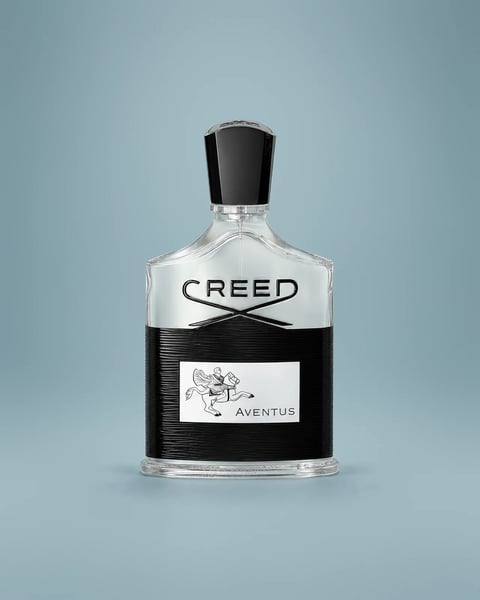
Creed's product page has no formal list. It says the fragrance opens with fresh Calabrian bergamot and a signature pineapple accord, with smoky, leathery birch bringing depth and structure. In the house's Q&A, a pineapple accord emerges at the heart with pink pepper, and birch and patchouli intertwine later. The Q&A moves from the first spritz to the heart and, as the fragrance settles, to the base.
View perfume
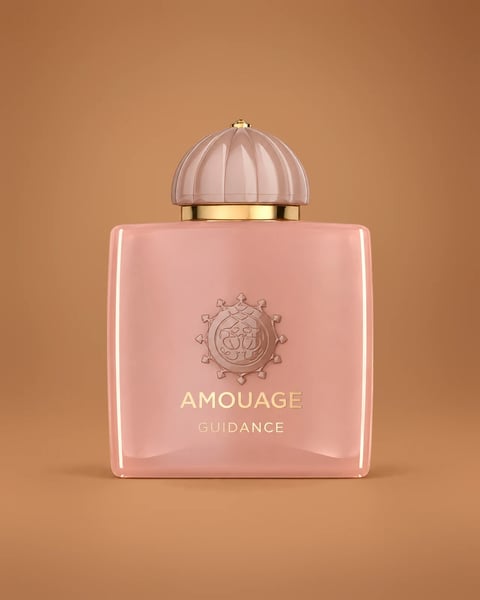
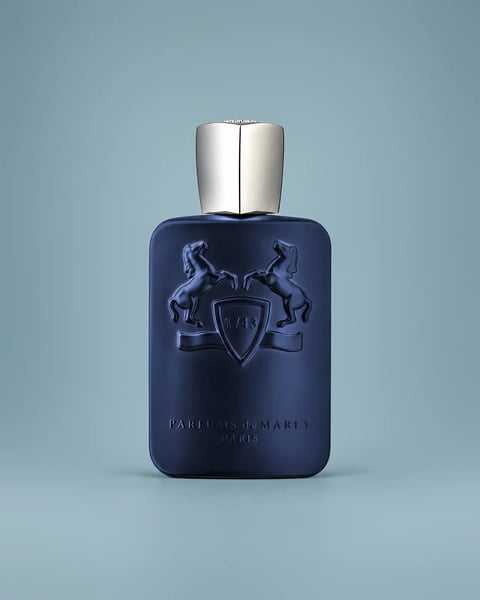
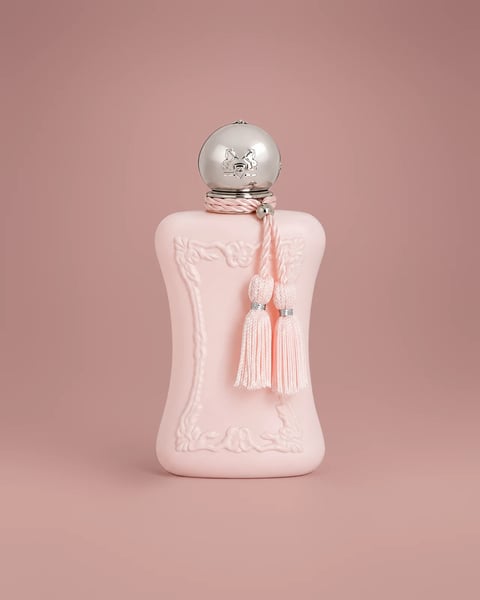
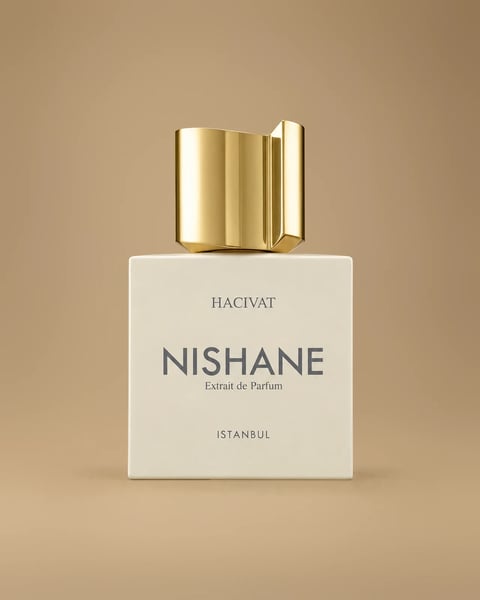
Delina and Hacivat also appear in our guide to the best niche perfumes. Woods such as cedarwood and sandalwood are covered in the woody perfumes guide, and vanilla, which sits in the base of both Guidance and Layton, in the vanilla perfume guide.
Notes are not always ingredients
A listed note describes how something smells. It does not always mean a plant was pressed into the bottle. dsm-firmenich describes its molecule Hedione as an elegant and transparent floral jasmine note with a refreshing hint of citrus, typically dosed between 2% and 15%. Its discovery in 1958 came as part of the methyl jasmonate synthesis. A jasmine in a note list can therefore be built with a molecule like this, alongside or instead of the flowers.
Ambergris works the same way. Givaudan lists Ambrofix with the notes ambery, woody, tobacco and dry, and calls it the most suitable material to deliver an authentic ambergris note. It is produced from a natural starting material derived from clary sage, or by a bioconversion process starting from sugar cane.
Amouage lists ambergris in the base of Guidance. That tells you the house names an ambergris note; it does not tell you what is in the bottle. None of the house pages read for this guide says that any of these perfumes uses Hedione or Ambrofix.
Notes versus scent families and concentration
Notes describe the individual scents inside one perfume. Scent families group whole perfumes by overall character. Michael Edwards created his fragrance wheel in 1992, after Paul Jellinek's first wheel of 1949, and its 2010 version has four main families: woody, floral, amber and fresh. You can browse the woody, floral, amber and fresh listings, or read about a smaller family in fougère perfumes.
Concentration is a third, separate label. Amouage states 25% oil concentration for Guidance, and Nishane sells Hacivat as an Extrait de Parfum. The concentration guide shows how much more Eau de Parfum costs per ml than Eau de Toilette.
How to use a note list when choosing a perfume
- Use the house page as the reference. Note lists on different sites can differ from the house's current page. In our own check of the five perfumes above, the note data we started from differed from the house pages for every one of them.
- Read the tiers as an order, not a stopwatch. They show the sequence the house expects you to meet, and the layers overlap.
- Compare the base lists if you want a similar dry-down in two perfumes.
- Test on skin. A 3 or 10 ml decant lets you live with a scent before committing to more.
For ideas on where to go next, try unisex perfumes, perfumes for men or perfumes for women.